
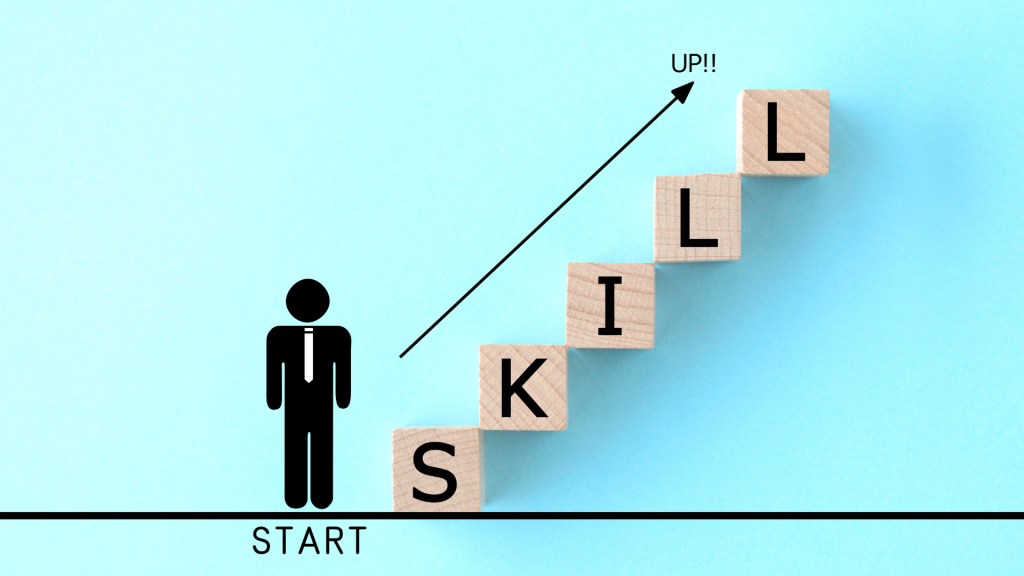
In today’s interconnected world, professionals must develop specific skills to navigate diverse cultures, remote communication, and global business practices. Mastering cross-cultural communication, digital literacy, and adaptability are essential career skills for any global professional. These abilities ensure they can collaborate effectively and stay competitive in a fast-changing environment.
Beyond technical expertise, strong interpersonal skills and emotional intelligence enable professionals to build trust and lead teams across borders. The ability to manage ambiguity and embrace continuous learning also helps them respond to new challenges quickly.
Understanding these core skills prepares professionals to thrive globally. They offer practical value in enhancing productivity, fostering innovation, and maintaining relevance regardless of the industry or region.
Core Career Skills for Global Professionals
Successful global professionals develop specific skills that enable them to navigate diverse environments and complex challenges efficiently. These skills revolve around adapting to change, analyzing problems critically, communicating effectively, and managing emotions in the workplace.
Adaptability and Lifelong Learning
Adaptability requires professionals to embrace change and remain flexible in varying cultural and organizational settings. This skill is critical as global markets evolve rapidly. Professionals must engage in continuous learning to stay relevant, actively seeking new knowledge and updating their skill sets.
Lifelong learning involves a proactive approach to self-improvement. It can include formal training, self-study, and learning from cross-cultural experiences. Those who prioritize lifelong learning demonstrate resilience and gain the ability to pivot when faced with unexpected challenges.
Critical Thinking and Problem-Solving
Critical thinking enables professionals to assess situations objectively and analyze information logically. This skill helps identify root causes of issues, avoiding superficial solutions. It involves questioning assumptions and evaluating evidence carefully before making decisions.
Problem-solving builds on critical thinking by applying practical steps to resolve challenges. Effective problem-solvers generate multiple options and test potential outcomes. The ability to solve complex problems quickly is essential in diverse work environments where unexpected issues frequently arise.
Effective Communication Skills
Effective communication goes beyond clear speaking; it includes active listening and adapting messages for different audiences. Global professionals must navigate language barriers and cultural nuances to convey ideas precisely and build trust with colleagues.
Strong communication skills involve clarity, conciseness, and appropriate tone. Writing, presenting, and interpersonal communication are all critical, as is the ability to provide and receive feedback constructively. Mastering these enables smoother collaboration across international teams.
Emotional Intelligence in the Workplace
Emotional intelligence starts with self-awareness—understanding one’s emotions, strengths, and weaknesses. Professionals with high emotional intelligence manage their feelings through self-regulation, maintaining composure during stress and conflict.
It also includes empathy, which helps in understanding and respecting others’ perspectives. This fosters positive relationships in diverse teams and supports effective leadership. Emotional intelligence contributes to better decision-making and workplace harmony.
Essential Collaboration and Leadership Competencies
Effective collaboration requires a blend of leadership, emotional intelligence, and interpersonal skills. Professionals must develop abilities that foster motivation, strengthen relationships, and navigate conflicts constructively.
Leadership Development
Strong leadership is characterized by the ability to inspire and guide teams toward shared objectives. Leaders focus on setting clear goals, providing consistent feedback, and adapting their style to diverse cultural and professional contexts.
They invest in professional growth by seeking new knowledge and modeling accountability. Motivation techniques like recognizing individual contributions and offering growth opportunities reinforce engagement. Strategic thinking and decision-making are also key, helping teams respond effectively to challenges and changes.
Teamwork and Building Relationships
Teamwork depends on mutual trust and respect among members. Building relationships requires active listening, open communication, and responsiveness to different viewpoints. Professionals strengthen social skills through regular interaction and collaboration across departments or regions.
Effective teams share responsibility and value diverse skill sets. Establishing common ground and aligning priorities ensures smoother workflows. These efforts contribute to a positive work environment where cooperation and innovation thrive.
Conflict Resolution and Empathy
Handling conflict productively hinges on empathy and communication. Recognizing others’ emotions and perspectives helps de-escalate tensions and identify underlying issues. Professionals use active listening and ask clarifying questions to fully understand disagreements.
Conflict resolution involves finding mutually acceptable solutions while maintaining respect. Empathy also builds trust, enabling ongoing collaboration even after disputes. Mastering these skills reduces workplace friction and supports a culture of openness and fairness.
Digital and Analytical Skills for the Modern Job Market
Digital and analytical skills are essential for professionals navigating today’s fast-evolving work environments. Mastery of these skills enables better problem-solving, efficient research, and informed decision-making, critical to sustaining innovation and competitiveness.
Digital Literacy and Data Analytics
Digital literacy involves the ability to use modern technology tools effectively. It includes basic computer skills, software navigation, and understanding online communication platforms. Professionals must also grasp data literacy—knowing how to read, interpret, and manage data.
Data analytics enhances decision-making by transforming raw data into actionable insights. Skills in spreadsheet software, visualization tools, and introductory programming languages like Python or R are increasingly valuable. Analytical skills help identify patterns and trends crucial for strategic planning.
Artificial Intelligence and Generative AI
Artificial intelligence (AI) transforms many industries by automating routine tasks and enabling advanced data interpretation. Knowledge of AI concepts helps professionals identify opportunities where automation can improve productivity.
Generative AI refers to technologies that can create new content, such as text, images, or code, based on input data. Familiarity with generative AI tools supports innovation, especially in marketing, design, and software development. Understanding these tools also demands staying updated on ethical considerations and limitations.
Big Data and Data-Driven Decision Making
Big data involves processing vast amounts of information to uncover insights with greater accuracy. Professionals working with big data must understand storage solutions, data security, and methods to analyze large datasets using platforms like Hadoop or Spark.
Data-driven decision making uses evidence from big data and analytics to guide business strategies. It requires critical thinking and the ability to translate complex data insights into clear, actionable steps. These skills improve research outcomes and foster informed leadership across sectors.
Productivity and Professional Growth Strategies
Mastering productivity and growth requires effective management of time, skills, and relationships. Professionals who organize their schedules, continuously upgrade their abilities, expand their networks, and adapt creatively position themselves for long-term success.
Time Management and Organization
Efficient time management is foundational for productivity. Professionals should prioritize tasks using systems like the Eisenhower matrix to distinguish urgent from important activities.
Using digital tools such as calendars, task managers, and reminders enhances organization. Breaking work into focused intervals, like the Pomodoro Technique, reduces burnout and maintains concentration.
Meeting deadlines consistently improves credibility. Written communication clarity and structured planning further streamline teamwork and project tracking.
Upskilling and Reskilling Initiatives
To remain competitive, professionals must engage in ongoing skill development. Upskilling sharpens existing competencies, while reskilling prepares individuals for new roles or industries.
Relevant skills include public speaking, customer service, and advanced digital literacy. Participating in workshops, online courses, and certifications is are effective method.
An open mind towards learning fosters adaptability. Companies value employees who proactively seek growth opportunities, ensuring relevance in evolving work environments.
Networking for Global Opportunities
Building and maintaining a broad professional network opens doors internationally. Networking should focus on meaningful connections rather than sheer numbers.
Using platforms like LinkedIn to engage with industry peers, attending global conferences, and joining professional associations facilitates this process.
Effective networking involves clear, respectful written communication and follow-ups. Relationships built on trust often lead to collaboration, knowledge exchange, and career advancement.
Creativity and Resilience
Creativity enables problem-solving and innovation amid shifting demands. Professionals should practice brainstorming techniques and welcome diverse perspectives to enhance ideas.
Resilience helps cope with setbacks and maintain performance. Developing this skill involves stress management, adaptability, and maintaining motivation through challenges.
Together, creativity and resilience equip professionals to navigate uncertainty, drive progress, and sustain long-term career growth.